


Product Introduction
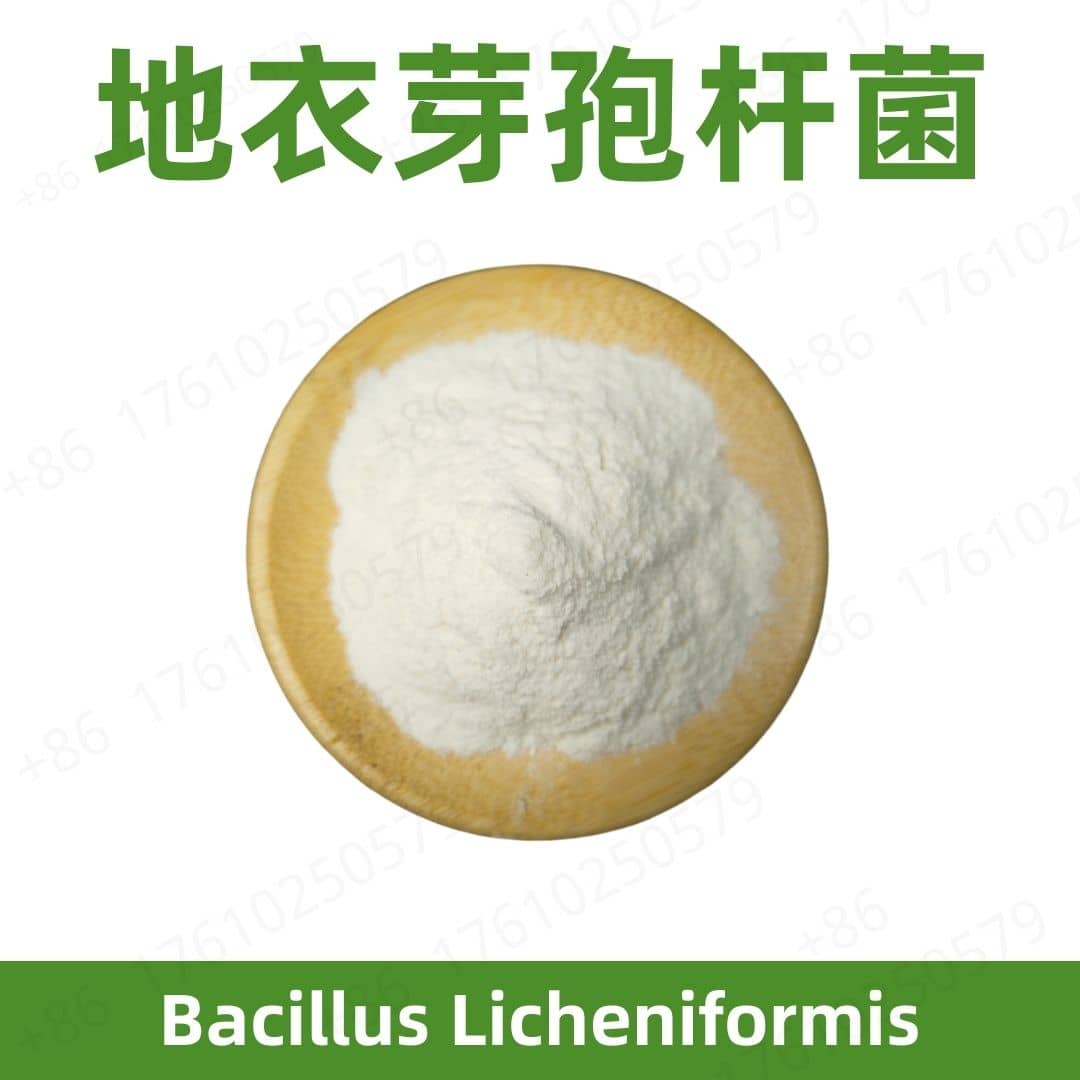
Bacillus licheniformis is a type of bacterium that plays a key role in fermentation and is often used in the production of probiotics. This organism is well-known for its ability to produce enzymes that can aid in digestion. It is also recognized for its potential benefits to gut health, enhancing nutrient absorption and promoting a balanced microbiome. As a non-pathogenic and spore-forming bacterium, Bacillus licheniformis can withstand harsh environmental conditions, making it suitable for various applications.
Production Process
The production of Bacillus licheniformis typically involves fermentation in carefully controlled conditions. Cultivation starts with selecting high-quality strains of the bacterium, which are then grown in nutrient-rich media. Throughout the fermentation process, factors such as pH, temperature, and oxygen levels are monitored to optimize growth. Once adequate biomass is achieved, the culture is harvested and processed into a powdered form through drying techniques. This process ensures that the beneficial properties of Bacillus licheniformis are preserved for end-users.
Product Benefits and Functions
Bacillus licheniformis offers various benefits for digestive health and overall wellness. It aids in breaking down food particles, which can improve nutrient absorption in the intestines. Additionally, it may help to inhibit the growth of harmful bacteria, contributing to a healthier gut flora balance. This probiotic strain is also known for its ability to produce essential vitamins and enzymes, further enhancing its health-promoting properties. Overall, Bacillus licheniformis supports gut health and may contribute to improved immune function.
Product Application Scenarios
Bacillus licheniformis is commonly found in dietary supplements aimed at promoting digestive health. It is used in formulations targeting those with gastrointestinal disturbances, such as bloating or irregularity. Additionally, this probiotic can be used in the food industry for fermentation processes, such as in the production of certain cheeses and fermented vegetables. It is also suitable for use in animal feed to enhance gut health in livestock. Overall, this versatile bacterium has applications in both human health and food production.
Packaging and Storage
Storage Conditions: Store in a sealed, light-proof container, away from high temperatures, in a dry, cool, and well-ventilated place.
Packaging: Bulk: 25kg/cardboard drum; Sample: 1kg/aluminum foil bag; Custom packaging available upon request.
Shipping Methods: FedEx, DHL, dedicated logistics, and sea freight consolidation.
Shelf Life: Two years

Monica Sun possesses extensive technical expertise and market insights in the food additives industry. She excels in designing efficient and safe additive formulations tailored to various food applications, ranging from sweeteners to functional dietary fibers. Monica has successfully assisted food manufacturers in optimizing ingredient combinations to enhance product quality and improve consumer satisfaction.