


Product Introduction
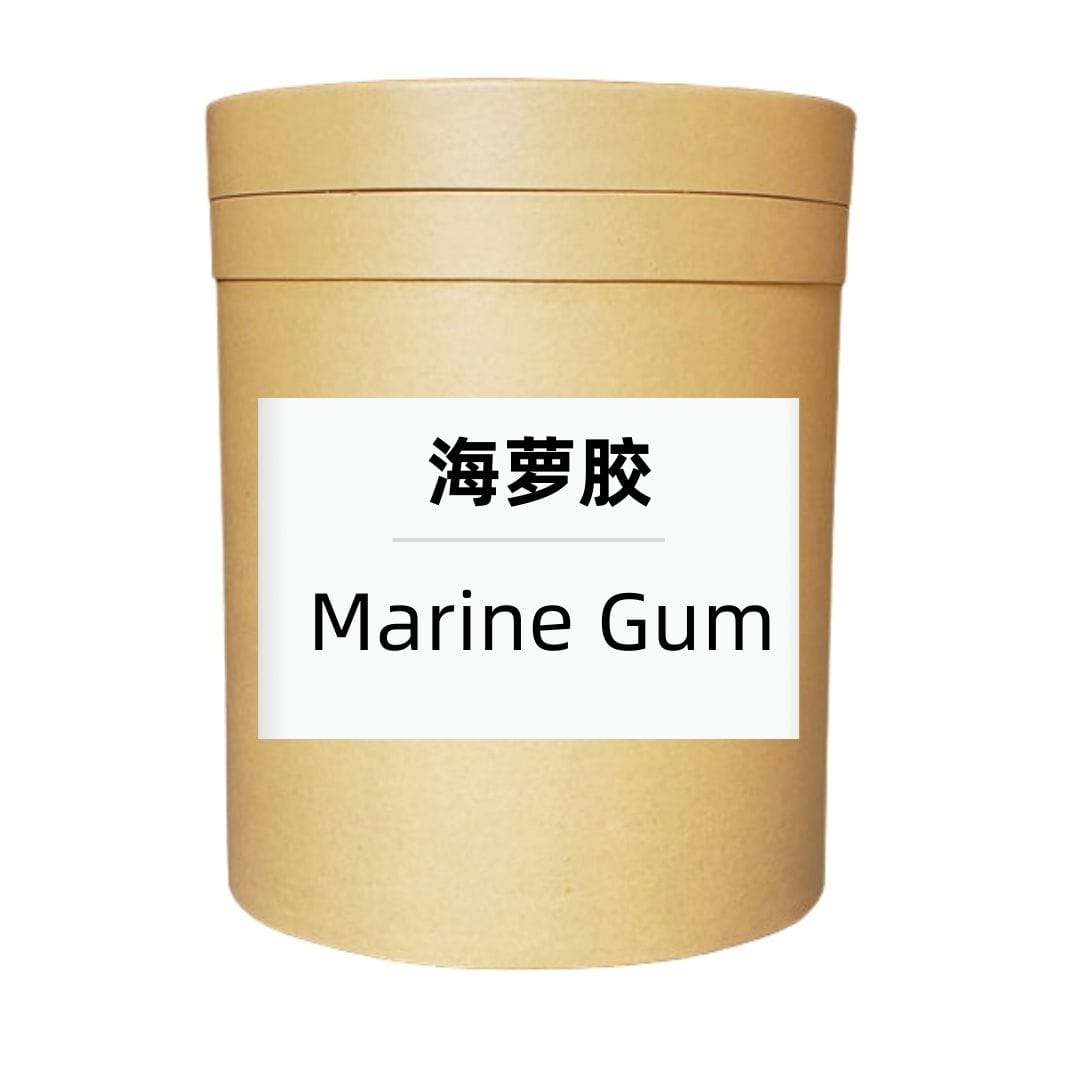
Marine gum, also known as alginate, is derived primarily from brown seaweed, particularly species like Laminaria and Ascophyllum. It mainly consists of sodium, calcium, and potassium salts of alginic acid. This natural polysaccharide is primarily used in the food industry as a thickener, stabilizer, and gelling agent, making it ideal for sauces, ice creams, and various dairy products. It is valued for its ability to improve texture and enhance mouthfeel without altering flavor.
Production Process
The production of marine gum involves the extraction of alginic acid from seaweed. The seaweed is harvested, washed, and dried before being treated with an alkaline solution to extract the alginate. This mixture undergoes filtration and precipitation, leading to the formation of alginic acid, which is subsequently neutralized with sodium or calcium salt to create the final gum product.
Product Application Scenarios
Marine gum finds applications in various food products, including salad dressings, jellies, and bakery fillings. It is often used in vegan and vegetarian food items as a plant-based alternative to gelatin. Additionally, its properties make it suitable for pharmaceuticals and cosmetics, where it acts as a binder and stabilizer.
Packaging and Storage
Storage Conditions: Store in a sealed, light-proof container, away from high temperatures, in a dry, cool, and well-ventilated place.
Packaging: Bulk: 25kg/cardboard drum; Sample: 1kg/aluminum foil bag; Custom packaging available upon request.
Shipping Methods: FedEx, DHL, dedicated logistics, and sea freight consolidation.
Shelf Life: Two years

Monica Sun possesses extensive technical expertise and market insights in the food additives industry. She excels in designing efficient and safe additive formulations tailored to various food applications, ranging from sweeteners to functional dietary fibers. Monica has successfully assisted food manufacturers in optimizing ingredient combinations to enhance product quality and improve consumer satisfaction.

Pregelatinized-Starch.jpg)