


Product Introduction
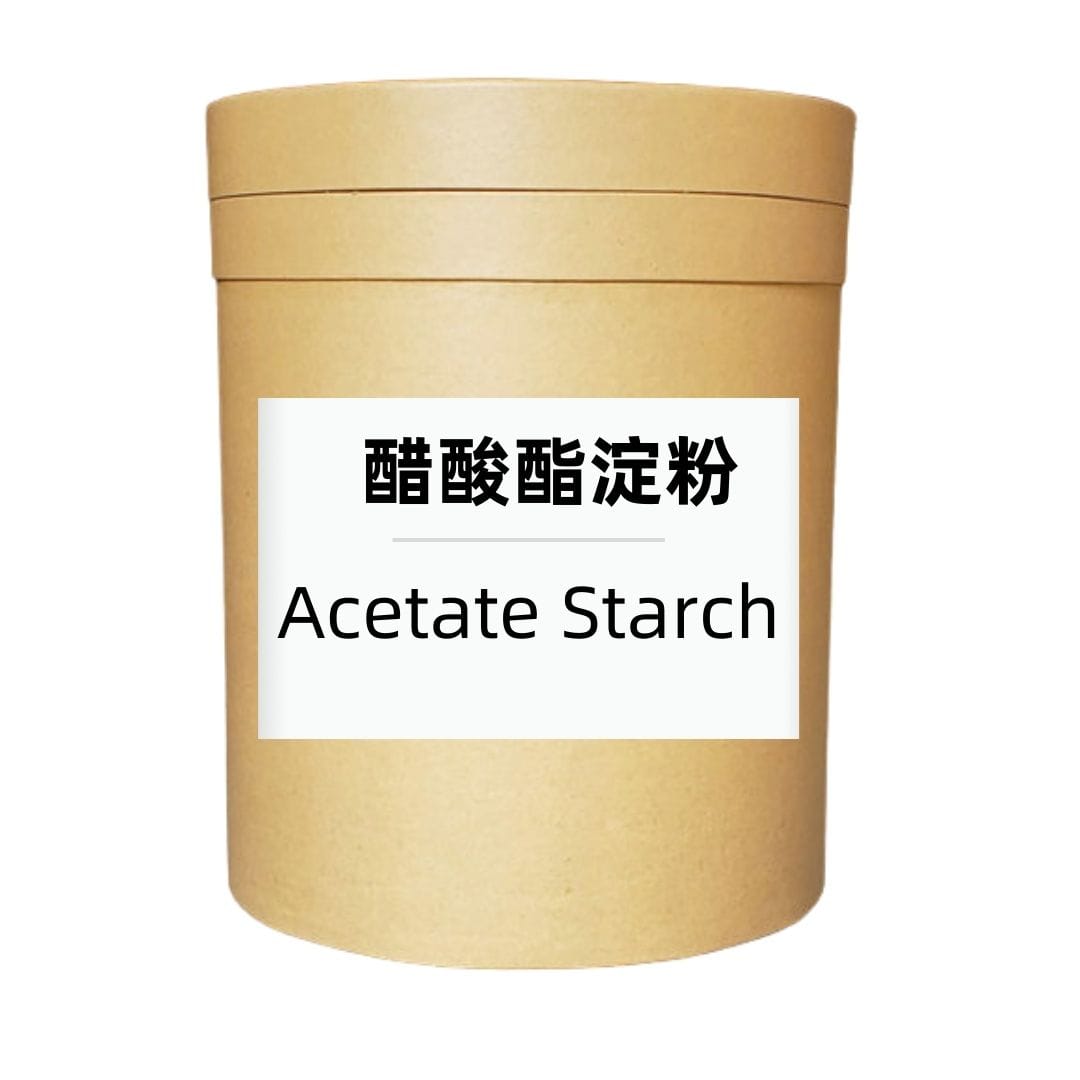
Acetate starch is derived from natural starch sources, such as corn or potato, through a process of acetylation. This modification provides unique properties, making it valuable in various uses, including as a thickening agent in sauces, dressings, and soups, as well as in pharmaceutical and cosmetic formulations where improved texture is desirable. Its ability to form gels and films adds to its versatility in different applications, making acetate starch a preferred choice for many manufacturers.
Production Process
The production of acetate starch involves several key steps. Initially, native starch is gelatinized using heat and moisture, allowing for the uptake of acetic acid or vinyl acetate. This process modifies the starch’s structure, enhancing its solubility and stability. After acetylation, the mixture undergoes drying and milling to achieve the desired powder consistency, ensuring uniformity and quality in the final product.
Product Application Scenarios
Acetate starch finds broad applications across various industries. In the food sector, it serves as a stabilizer for sauces and dressings, improving texture and extending shelf life. In pharmaceuticals, it aids in the formulation of tablets and capsules, enhancing the release profile of active ingredients. In cosmetics, acetate starch is utilized for its thickening properties, contributing to the desired consistency of creams and lotions.
Packaging and Storage
Storage Conditions
Store in a sealed, light-proof container, away from high temperatures, in a dry, cool, and well-ventilated place.
Packaging
Bulk: 25kg/cardboard drum; Sample: 1kg/aluminum foil bag; Custom packaging available upon request.
Shipping Methods
FedEx, DHL, dedicated logistics, and sea freight consolidation.
Shelf Life
Two years

Monica Sun possesses extensive technical expertise and market insights in the food additives industry. She excels in designing efficient and safe additive formulations tailored to various food applications, ranging from sweeteners to functional dietary fibers. Monica has successfully assisted food manufacturers in optimizing ingredient combinations to enhance product quality and improve consumer satisfaction.
Pregelatinized-Starch.jpg)