


Product Introduction
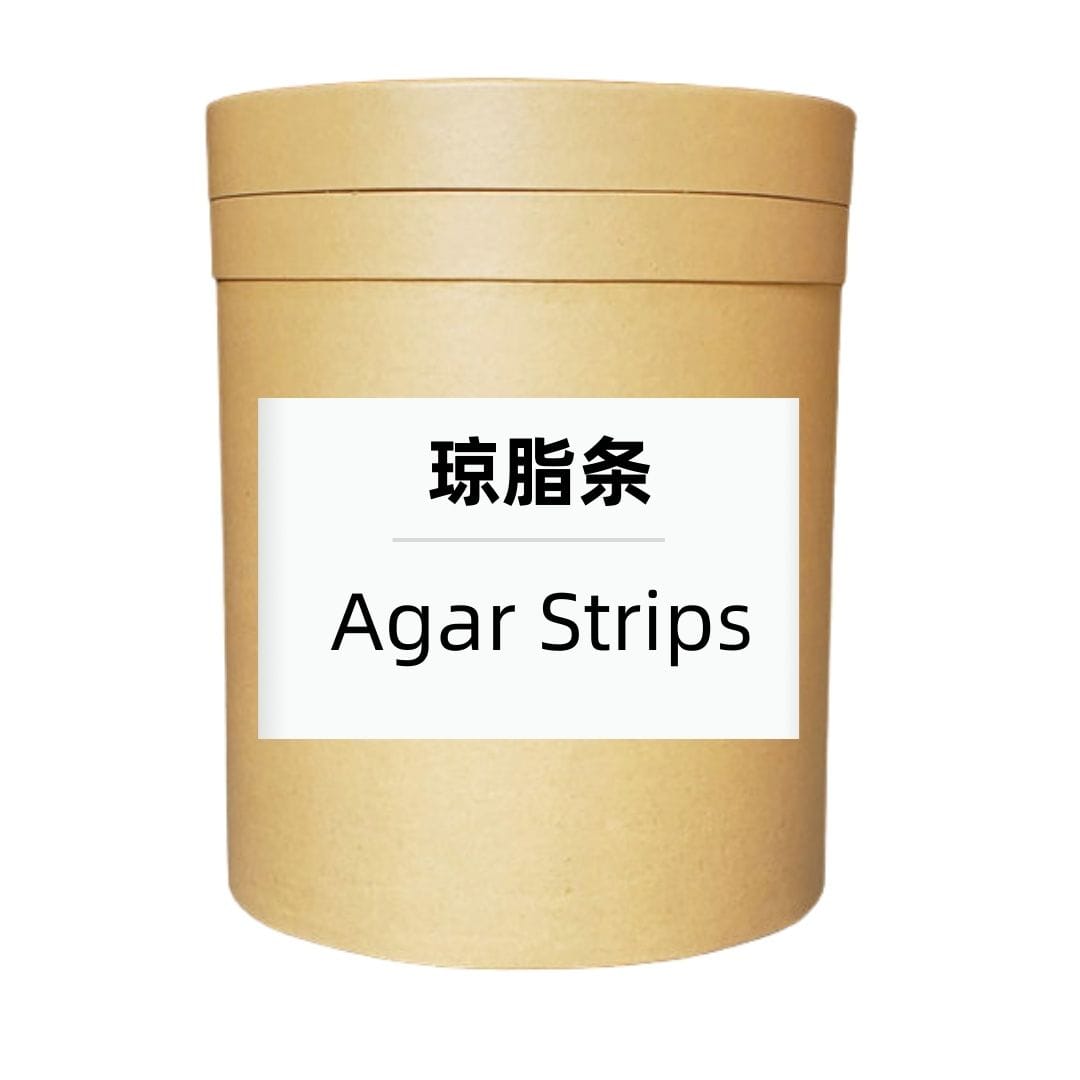
Agar strips are derived from agar, a gelatinous substance obtained from red algae, specifically from the Gelidium and Gracilaria species. They are primarily composed of agarose and agaropectin, which contribute to their unique texture and gel-forming properties. Often used in laboratories, agar strips serve as a medium for microbiological culture, while in culinary applications, they are utilized for creating desserts, jellies, and other innovative food presentations.
Production Process
The production of agar strips involves extracting agarose from the algae through boiling them in water. The solution is then filtered to remove impurities and is subsequently cooled to form a gel. This gel is cut into strips of specific dimensions, dried, and packaged for distribution. During this process, parameters such as temperature and time are carefully controlled to ensure optimal quality and performance.
Product Application Scenarios
In laboratories, agar strips are frequently used for growing bacteria and fungi, providing a stable surface for cell division and observation. In the culinary world, chefs use agar strips for modernist cuisine techniques, creating visually appealing presentation of dishes. Additionally, they can be integrated into vegetarian and vegan recipes as a gelling agent, allowing for a wide range of creative culinary applications.
Packaging and Storage
Storage Conditions: Store in a sealed, light-proof container, away from high temperatures, in a dry, cool, and well-ventilated place.
Packaging: Bulk: 25kg/cardboard drum; Sample: 1kg/aluminum foil bag; Custom packaging available upon request.
Shipping Methods: FedEx, DHL, dedicated logistics, and sea freight consolidation.
Shelf Life: Two years

Monica Sun possesses extensive technical expertise and market insights in the food additives industry. She excels in designing efficient and safe additive formulations tailored to various food applications, ranging from sweeteners to functional dietary fibers. Monica has successfully assisted food manufacturers in optimizing ingredient combinations to enhance product quality and improve consumer satisfaction.

Pregelatinized-Starch.jpg)