


Product Introduction
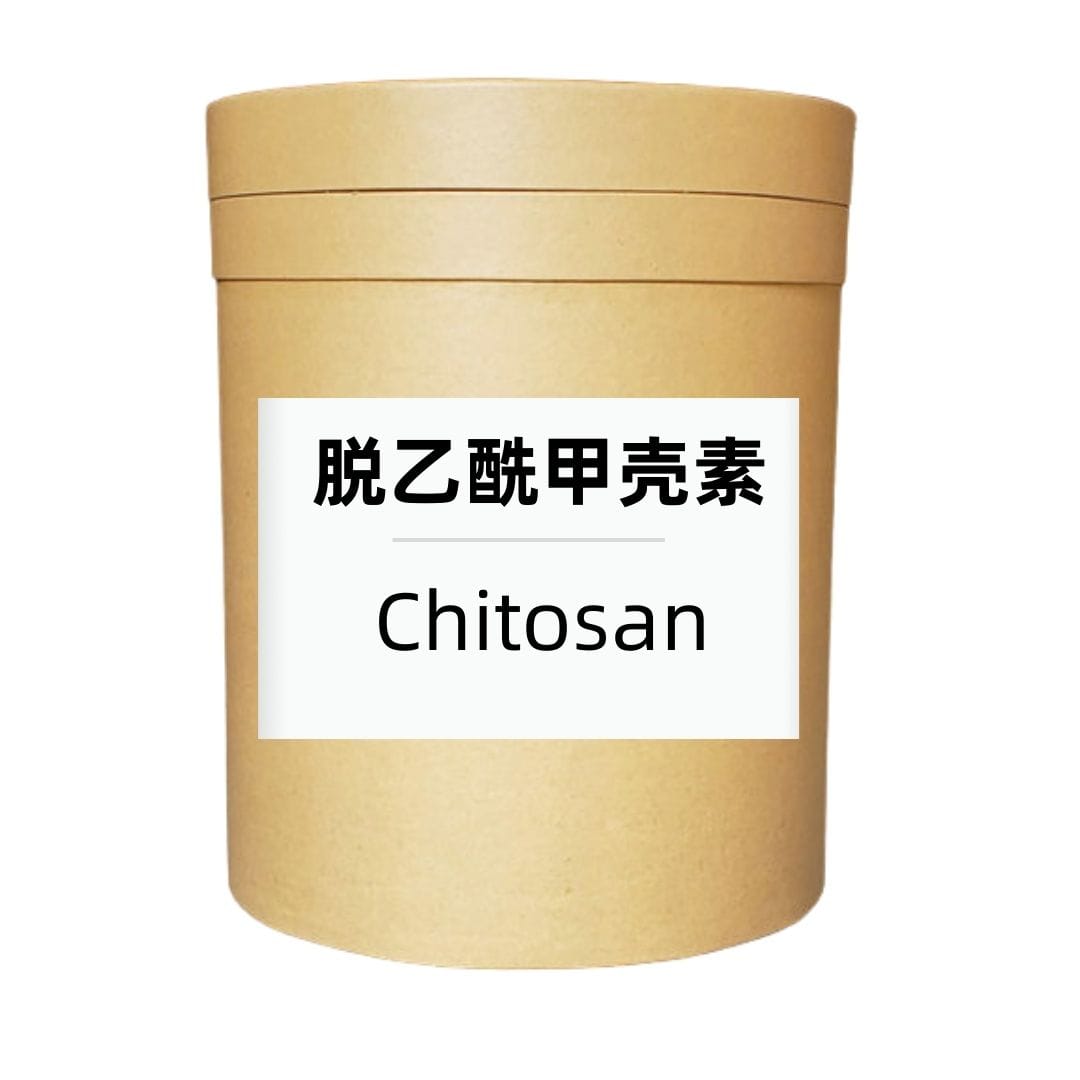
Chitin is a biopolymer primarily derived from the exoskeletons of crustaceans, such as shrimp and crabs, and the cell walls of fungi. Its main ingredient is N-acetylglucosamine, which is known for its potential health benefits, including anti-inflammatory and immune-boosting properties. Chitin has a variety of applications across several industries, including the food industry where it is used in food preservation and as a natural food additive, as well as in the agricultural sector for its role in biopesticides and soil improvement.
Production Process
The production of chitin involves several steps, including extraction from raw materials like crustacean shells. The shells are first cleaned to remove impurities, then subjected to demineralization using acidic solutions to eliminate minerals. After that, deproteination processes are applied to remove proteins, resulting in pure chitin. The final chitin product is then dried and ground into a fine powder for use in various applications.
Product Application Scenarios
Chitin can be utilized in multiple scenarios, including as a natural preservative in food products, enhancing shelf life and safety. In agriculture, chitin is used to produce biopesticides that support sustainable farming by reducing chemical inputs. The compound is also incorporated into cosmetics, where it acts as a moisturizing agent, and in pharmaceuticals for drug delivery systems. Additionally, chitin can help in water treatment processes, assisting in the removal of pollutants and improving water quality.
Packaging and Storage
Storage Conditions: Store in a sealed, light-proof container, away from high temperatures, in a dry, cool, and well-ventilated place.
Packaging: Bulk: 25kg/cardboard drum; Sample: 1kg/aluminum foil bag; Custom packaging available upon request.
Shipping Methods: FedEx, DHL, dedicated logistics, and sea freight consolidation.
Shelf Life: Two years

Monica Sun possesses extensive technical expertise and market insights in the food additives industry. She excels in designing efficient and safe additive formulations tailored to various food applications, ranging from sweeteners to functional dietary fibers. Monica has successfully assisted food manufacturers in optimizing ingredient combinations to enhance product quality and improve consumer satisfaction.
Pregelatinized-Starch.jpg)