


Product Introduction
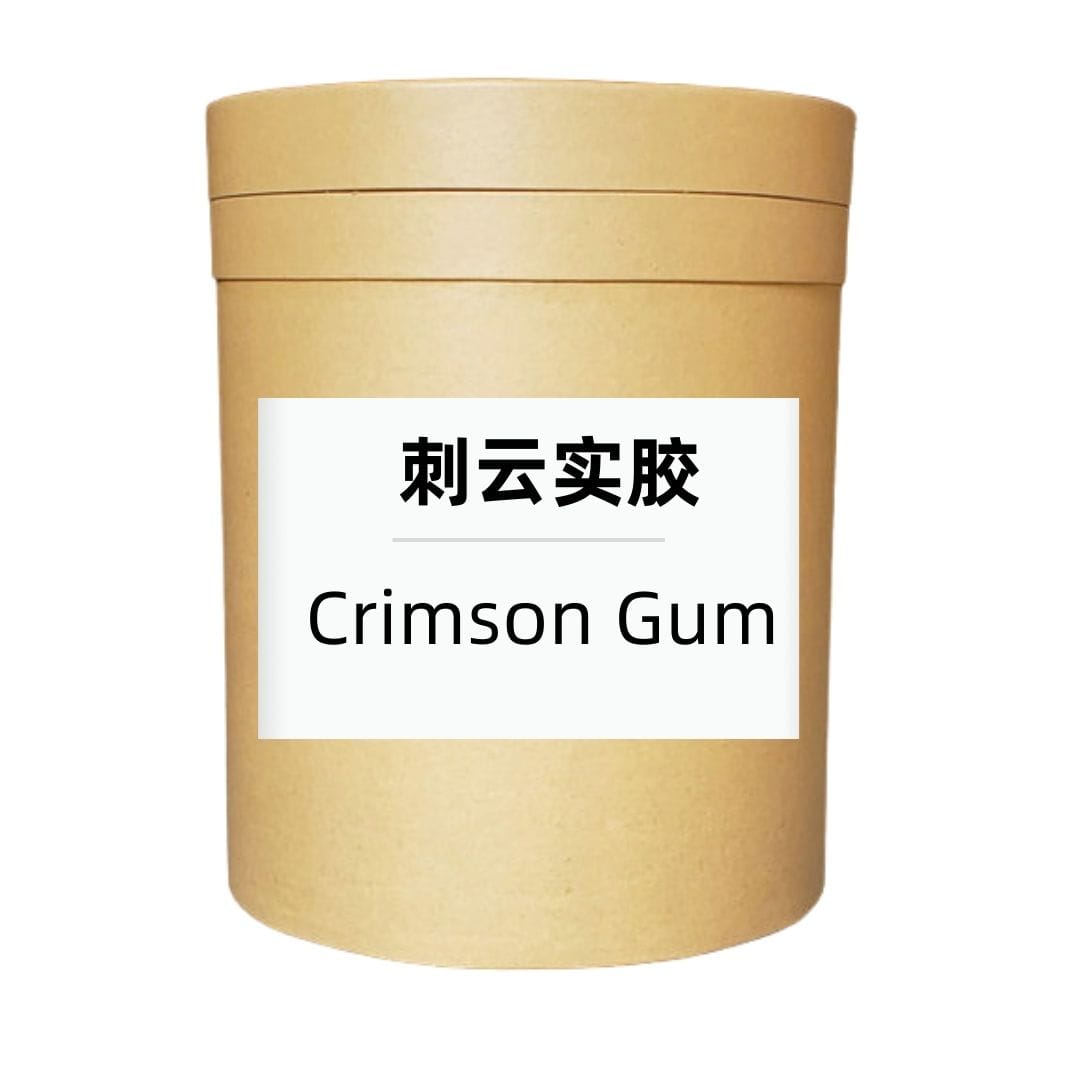
Crimson gum, also known as gellan gum, is derived from the fermentation of the bacteria Sphingomonas elodea. This food additive is primarily used for its ability to form gels and stabilize emulsions, making it ideal for a variety of food applications, including dairy products, desserts, and sauces. Utilizing its unique gelation properties, crimson gum can enhance the texture and consistency of food products, improving mouthfeel and overall sensory experience.
Production Process
The production of crimson gum starts with the fermentation of Sphingomonas elodea in a controlled environment, where it ferments carbohydrates, usually derived from plant sources. Following fermentation, the biomass is harvested and treated to extract the gellan gum. The extracted gum undergoes purification processes, which may involve filtration and drying to produce a high-quality powder. The final product is then milled to the desired particle size, ensuring consistency and quality for various applications.
Product Application Scenarios
Crimson gum is widely used in the food industry for several applications. In dairy products, it acts as a stabilizer to prevent separation and improve texture. It is also used in dessert products like puddings and jellies, where its gel-forming abilities create pleasant textures. In sauces and marinades, crimson gum can enhance viscosity, providing a smooth mouthfeel. Additionally, it finds applications in gluten-free formulations, where it helps mimic the texture of traditional gluten-containing products.
Packaging and Storage
Storage Conditions: Store in a sealed, light-proof container, away from high temperatures, in a dry, cool, and well-ventilated place.
Packaging: Bulk: 25kg/cardboard drum; Sample: 1kg/aluminum foil bag; Custom packaging available upon request.
Shipping Methods: FedEx, DHL, dedicated logistics, and sea freight consolidation.
Shelf Life: Two years

Monica Sun possesses extensive technical expertise and market insights in the food additives industry. She excels in designing efficient and safe additive formulations tailored to various food applications, ranging from sweeteners to functional dietary fibers. Monica has successfully assisted food manufacturers in optimizing ingredient combinations to enhance product quality and improve consumer satisfaction.
Pregelatinized-Starch.jpg)