


Product Introduction
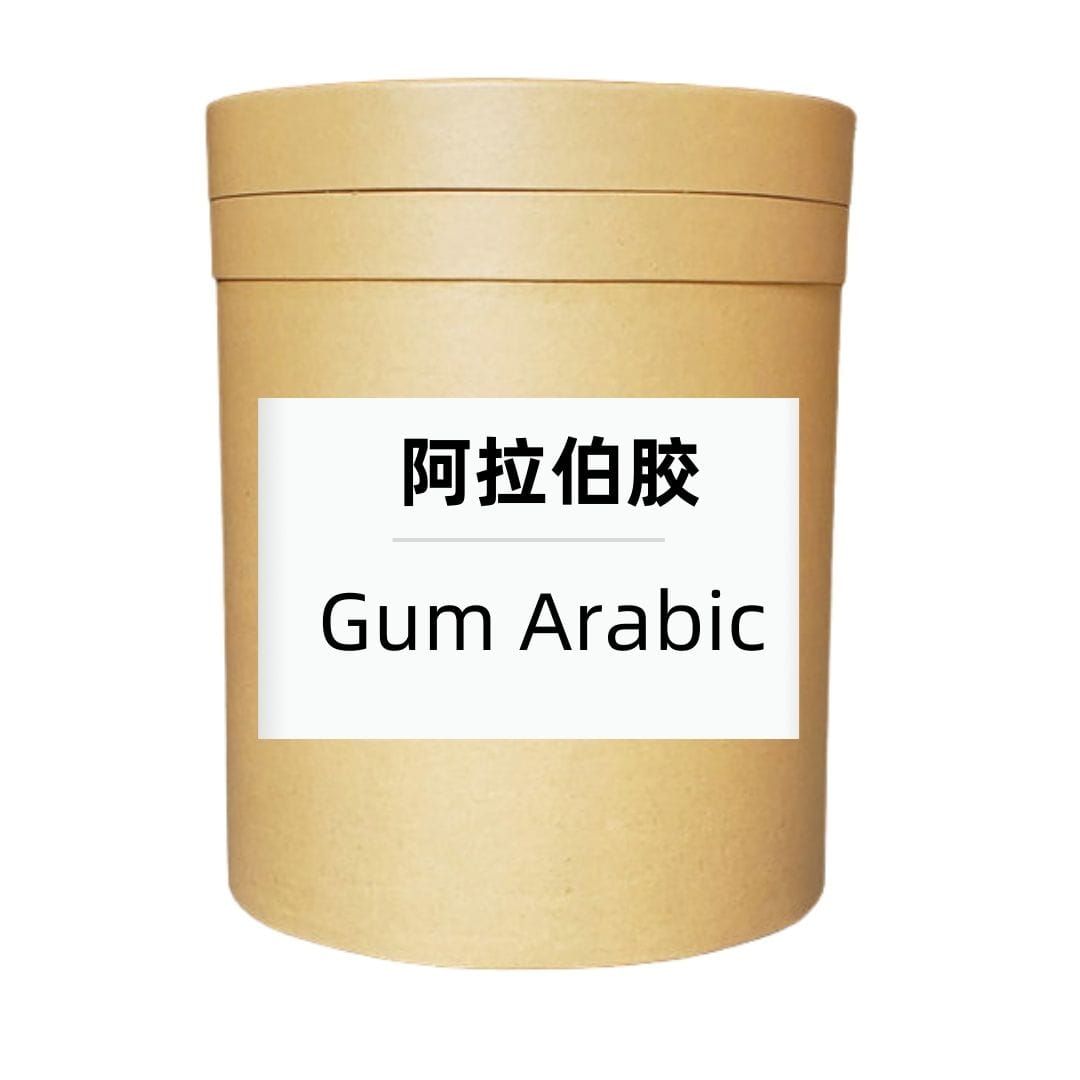
Gum Arabic, also known as Acacia Gum, is a natural gum made from the sap of the Acacia tree, primarily found in regions like Africa and the Middle East. It consists mainly of complex carbohydrates, including polysaccharides and glycoproteins, making it a versatile ingredient in various industries. This food additive is commonly used as a thickener, stabilizer, and emulsifier in many products, ranging from soft drinks and confections to pharmaceuticals and cosmetics. Gum Arabic helps improve texture and consistency in food items, while also serving as a binding agent in crafting and printing applications.
Production Process
The production of Gum Arabic involves extracting the sap from Acacia trees, which is then dried and processed. The sap is collected in a traditional manner, where harvesters make incisions in the tree’s bark. Once the sap flows out, it hardens into gum droplets, which are eventually collected. The raw gum is cleaned to remove impurities and then ground into a fine powder for various applications. This process preserves its natural properties, ensuring that it remains effective as a food additive.
Product Application Scenarios
Gum Arabic is widely used in the food industry for creating stable emulsions in products like salad dressings and sauces. It is also valuable in the beverage industry, providing texture and mouthfeel in soft drinks and syrups. In the confections sector, it is utilized as a binding agent in gummy candies and jellies. Beyond food, Gum Arabic finds applications in the cosmetics industry, where it acts as a thickener and stabilizer in lotions and creams. Additionally, it plays a role in pharmaceuticals, aiding in the formulation of syrups and tablets.
Packaging and Storage
Storage Conditions: Store in a sealed, light-proof container, away from high temperatures, in a dry, cool, and well-ventilated place.
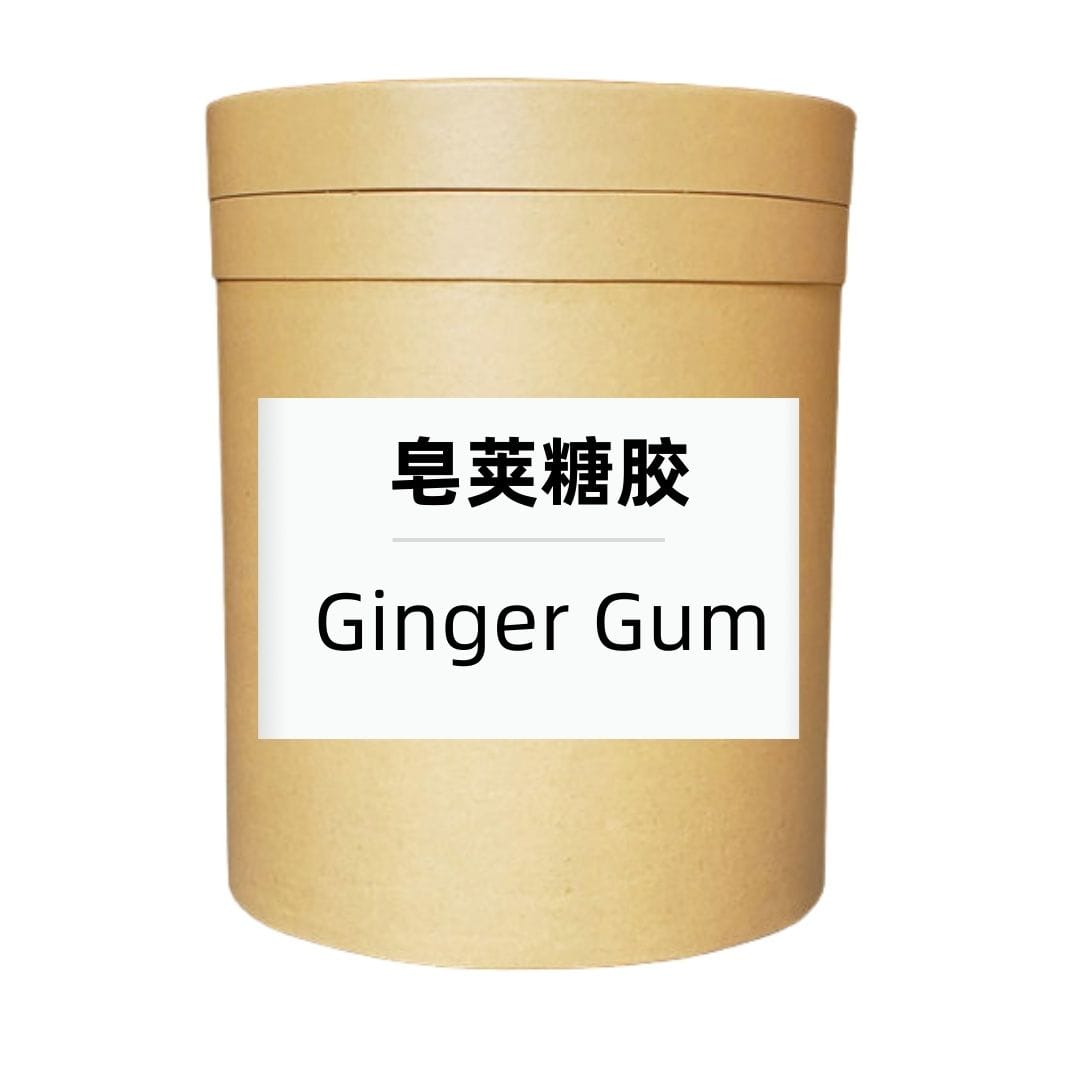
Packaging: Bulk: 25kg/cardboard drum; Sample: 1kg/aluminum foil bag; Custom packaging available upon request.
Shipping Methods: FedEx, DHL, dedicated logistics, and sea freight consolidation.
Shelf Life: Two years

Monica Sun possesses extensive technical expertise and market insights in the food additives industry. She excels in designing efficient and safe additive formulations tailored to various food applications, ranging from sweeteners to functional dietary fibers. Monica has successfully assisted food manufacturers in optimizing ingredient combinations to enhance product quality and improve consumer satisfaction.
Pregelatinized-Starch.jpg)