
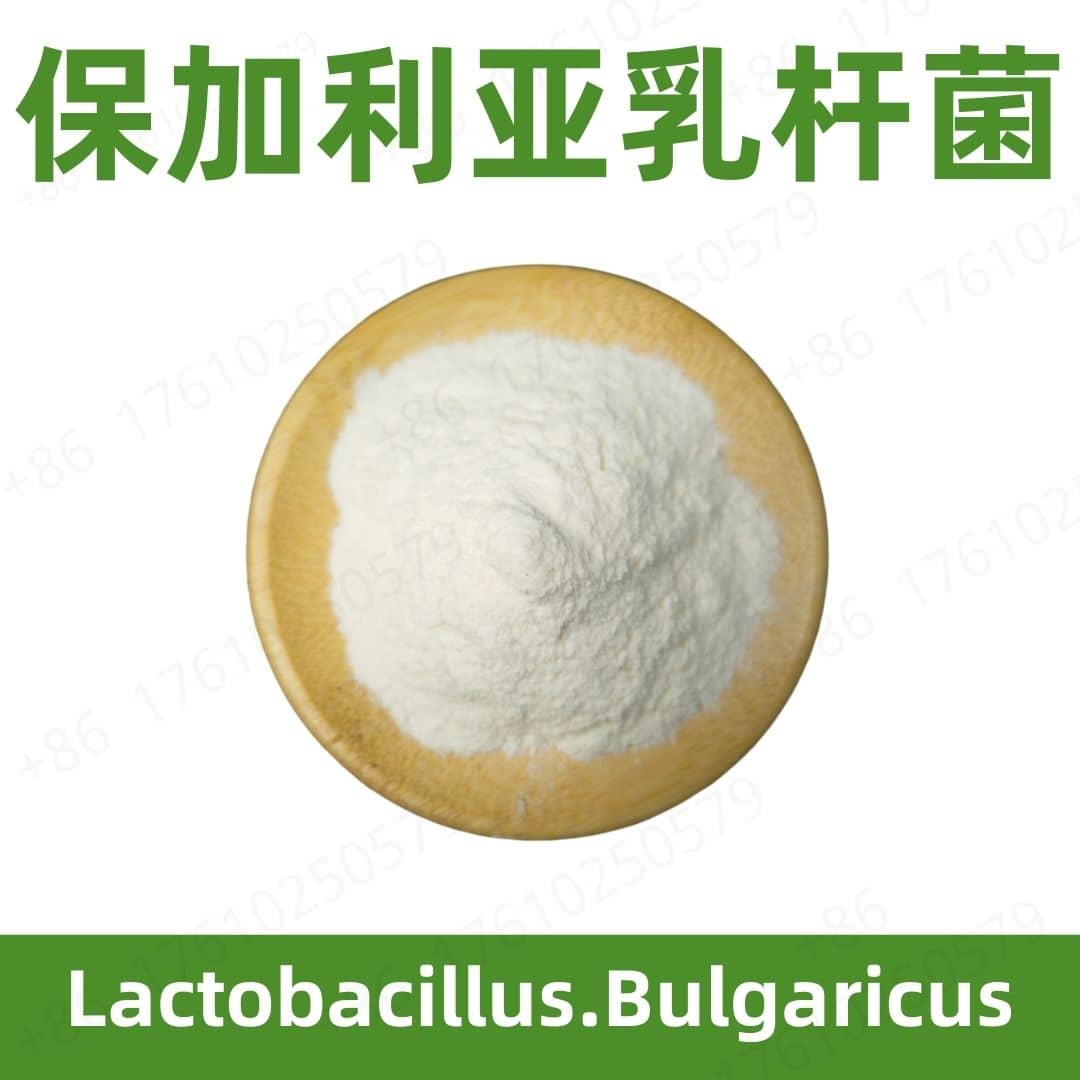



Product Introduction
Lactobacillus bulgaricus is a well-researched probiotic strain known for its role in the fermentation of yogurt and other dairy products. It’s a member of the Lactobacillus genus, which is widely recognized for its beneficial effects on human health. This strain contributes to the development of a tangy flavor and creamy texture in yogurt, making it popular in various culinary applications. Beyond its taste-enhancing properties, L. bulgaricus is also recognized for its probiotic benefits, supporting gut health and overall well-being.
Production Process
Lactobacillus bulgaricus is produced through controlled fermentation processes that involve culturing the bacteria in specific conditions. The typical production starts with selecting a high-quality starter culture. This culture is then cultivated in a nutrient-rich medium, often derived from dairy ingredients, under optimal temperature and pH conditions. After an adequate incubation period, the cultured L. bulgaricus is harvested, usually by freeze-drying or spray-drying, to preserve its viability for use in commercial products.
Product Benefits and Functions
Lactobacillus bulgaricus is primarily known for its ability to promote gut health by enhancing digestion and aiding the balance of intestinal microbiota. It helps break down lactose, making dairy products more tolerable for lactose-intolerant individuals. Additionally, L. bulgaricus can support immune health by stimulating the body’s natural defenses and may have anti-inflammatory properties. Studies also suggest its potential role in improving the overall absorption of nutrients in the digestive process.
Product Application Scenarios
Lactobacillus bulgaricus is commonly used in dairy product fermentation, such as yogurt, cheese, and kefir. It is also found in probiotic supplements aimed at improving gut health and digestive efficiency. This strain can be incorporated into various food products, including smoothies, health drinks, and functional foods targeting digestive wellness. Furthermore, it may be beneficial in formulating products for individuals seeking assistance with lactose intolerance or those looking to enhance their overall gut health.
Packaging and Storage
Storage Conditions: Store in a sealed, light-proof container, away from high temperatures, in a dry, cool, and well-ventilated place.
Packaging: Bulk packaging is available in 25 kg cardboard drums; sample packaging is provided in 1 kg aluminum foil bags, with custom packaging options available upon request.
Shipping Methods: FedEx, DHL, dedicated logistics, and sea freight consolidation are available shipping methods.
Shelf Life: The product has a shelf life of two years when stored properly.

Monica Sun possesses extensive technical expertise and market insights in the food additives industry. She excels in designing efficient and safe additive formulations tailored to various food applications, ranging from sweeteners to functional dietary fibers. Monica has successfully assisted food manufacturers in optimizing ingredient combinations to enhance product quality and improve consumer satisfaction.