


Product Introduction
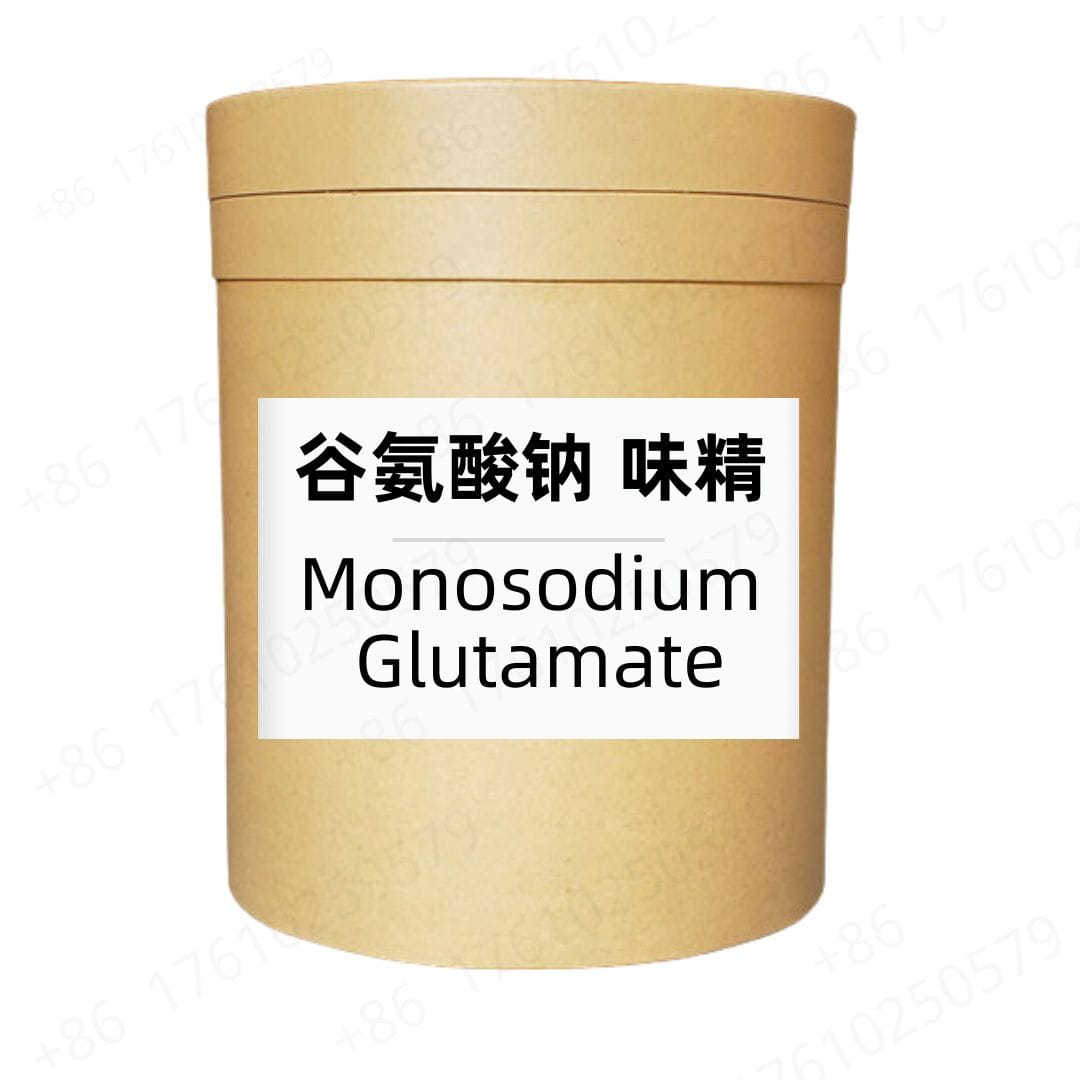
Monosodium glutamate (MSG) is a sodium salt of glutamic acid, a naturally occurring amino acid. It is primarily derived from fermentation processes using starch, sugar beets, or molasses. MSG is widely used in various food applications to enhance the savory flavor known as umami, commonly found in soups, sauces, snacks, and processed meats.
Production Process
The production of monosodium glutamate begins with the fermentation of carbohydrates, such as sugar or starch. Microorganisms, usually bacteria, are employed to convert these carbohydrates into glutamic acid. This glutamic acid is then neutralized with sodium hydroxide, resulting in the formation of monosodium glutamate. The product is then crystallized, purified, and dried to obtain the white powder that is familiar in culinary applications.
Product Application Scenarios
Monosodium glutamate is commonly used in cooking and food processing to amplify and enhance flavors, particularly in savory dishes. It is found in many Asian cuisines, particularly in stir-fries and broths. Moreover, MSG is frequently added to packaged foods, snacks, canned goods, and restaurant meals to provide a more satisfying taste experience.
Packaging and Storage
Storage Conditions: Store in a sealed, light-proof container, away from high temperatures, in a dry, cool, and well-ventilated place.
Packaging: Bulk: 25kg/cardboard drum; Sample: 1kg/aluminum foil bag; Custom packaging available upon request.
Shipping Methods: FedEx, DHL, dedicated logistics, and sea freight consolidation.
Shelf Life: Two years

Monica Sun possesses extensive technical expertise and market insights in the food additives industry. She excels in designing efficient and safe additive formulations tailored to various food applications, ranging from sweeteners to functional dietary fibers. Monica has successfully assisted food manufacturers in optimizing ingredient combinations to enhance product quality and improve consumer satisfaction.