



Product Introduction
Propionic acid and its sodium and calcium salts are organic compounds commonly utilized in the food industry due to their effective preservative properties. Derived from the fermentation of carbohydrates, these compounds are often used to inhibit mold growth and extend the shelf life of various baked goods. They can also be found in animal feed to prevent mold and spoilage, making them vital for maintaining feed quality. The active components, propionic acid, and its salts, are known for their ability to maintain product safety and quality across a range of applications.
Production Process
The production of propionic acid and its salts typically involves the fermentation of specific substrates, like molasses or starch, using bacteria such as Propionibacterium. This biochemical process converts carbohydrates into propionic acid through anaerobic fermentation. The resulting propionic acid can then be neutralized with sodium hydroxide or calcium hydroxide to form sodium and calcium propionates, respectively. These steps include purification processes to ensure the final product meets food safety standards.
Product Application Scenarios
In the food industry, sodium and calcium propionate are widely used as preservatives in bread, cakes, and other baked goods to prevent mold growth. Beyond food applications, they are also employed in animal feed to increase feed stability and quality. Additionally, these compounds can be used in various industrial processes, such as in the production of plastics, as they have antimicrobial properties that help reduce spoilage in materials. They may also be used in cosmetics and personal care products for their preservative abilities.
Packaging and Storage
Storage Conditions: Store in a sealed, light-proof container, away from high temperatures, in a dry, cool, and well-ventilated place.
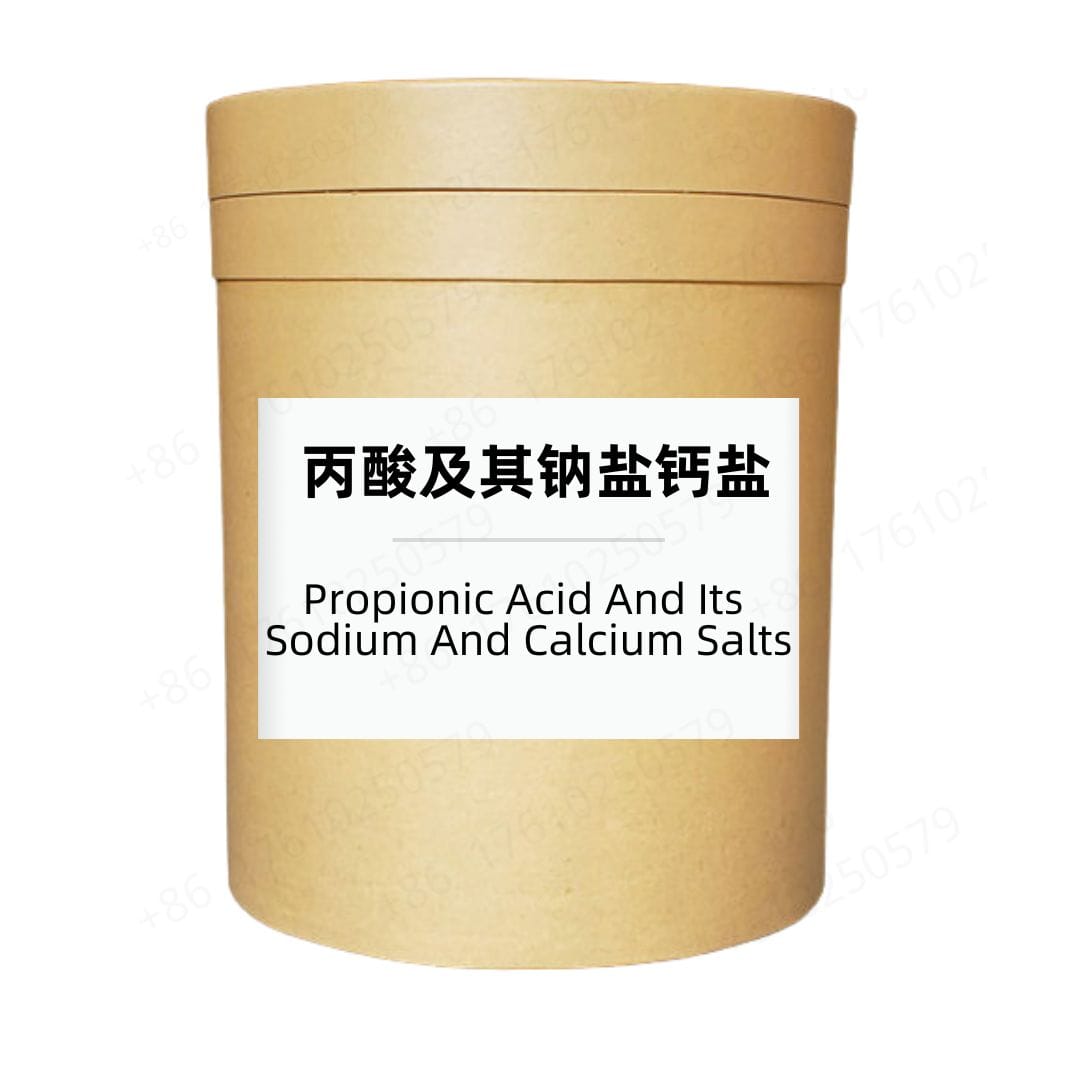
Packaging: Bulk: 25kg/cardboard drum; Sample: 1kg/aluminum foil bag; Custom packaging available upon request.
Shipping Methods: FedEx, DHL, dedicated logistics, and sea freight consolidation.
Shelf Life: Two years

Monica Sun possesses extensive technical expertise and market insights in the food additives industry. She excels in designing efficient and safe additive formulations tailored to various food applications, ranging from sweeteners to functional dietary fibers. Monica has successfully assisted food manufacturers in optimizing ingredient combinations to enhance product quality and improve consumer satisfaction.
Sodium-Dehydroacetate-Okay.jpg)
Sodium-Diacetate-Okay.jpg)
Potassium-Sorbate-Wanglong.jpg)
Sodium-Lactate.jpg)
Nisin.jpg)